

Growing milkweed is a smart move. But if that's all you plant, your garden misses out. Monarchs need milkweed for their eggs, but adults, bees, birds, and other cool critters need more than that. That’s why picking the right companion plants is a game-changer.
Great gardens aren't accidents. They bring together bloom times, different heights, sweet nectar, and local plants that actually thrive where you live. Here, you’ll find the top 15 milkweed companion plants, why they’re so effective, and how you can stitch them together into a healthier, longer-lasting native garden.
These 15 milkweed companion plants add season-long color, attract more pollinators, and help create a healthier, more balanced native garden.
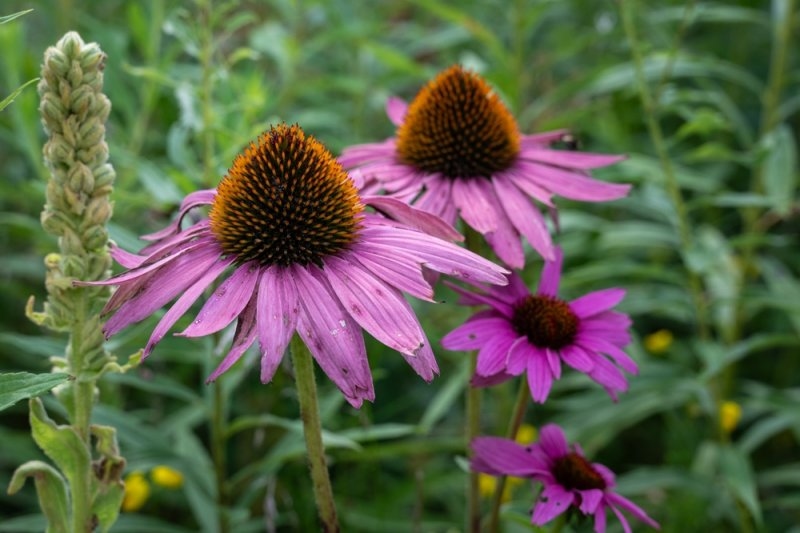
Among all milkweed companion plants, Purple Coneflower remains one of the easiest choices. Its large purple flowers bloom through much of summer while butterflies move constantly between echinacea and milkweed. These native plants for milkweed share similar growing conditions, making maintenance surprisingly simple.
Purple Coneflower also produces seed heads that attract birds after flowering ends. That means your milkweed garden keeps supporting wildlife long after butterflies disappear. It also ranks among the strongest asclepias companion plants because it rarely competes for space.
Goldenrod deserves far more credit than it usually gets. It blooms just when many summer flowers fade, giving butterflies one last reliable nectar source before colder weather arrives.
This makes Goldenrod one of the smartest milkweed companion plants for extending seasonal interest. Gardeners also value it among dependable pollinator garden plants, reliable butterfly garden plants, plus highly adaptable asclepias companion plants.
Also Read: Container Gardening Flowers The Ultimate Guide for Every Seasons
Blazing Star grows tall purple flower spikes that rise above surrounding plants without looking bulky. The narrow shape blends naturally with milkweed instead of hiding it.
These elegant flowers attract butterflies almost nonstop during midsummer. That's why Blazing Star appears in many professionally designed milkweed companion plants collections.
Every garden needs dependable flowers. Black-Eyed Susan fills that role well. Its cheerful yellow blooms flower for weeks, creating a strong contrast beside pink, orange, or white milkweed varieties.
These dependable milkweed companion plants tolerate drought once established. They also blend naturally with native plants for milkweed, brighten every milkweed garden, attract beneficial insects like other pollinator garden plants, support monarch habitats alongside butterfly garden plants, and work surprisingly well as durable asclepias companion plants.
Mountain Mint rarely steals attention from flowering plants. Instead, it quietly becomes one of the busiest plants in the garden. Tiny flowers attract parasitic wasps, hoverflies, native bees, beneficial beetles, plus countless pollinators that help create healthier landscapes.
Few milkweed companion plants attract such insect diversity. Along with strengthening pollinator garden plants, it improves native plants for milkweed, balances every milkweed garden, supports butterfly garden plants, and deserves recognition among practical asclepias companion plants.
Joe Pye Weed belongs near the back of perennial borders where its tall stems create a soft backdrop instead of blocking shorter flowers. Large pink flower clusters attract butterflies from surprising distances.
Combined with milkweed companion plants, it creates impressive late-summer displays. It also pairs naturally with native plants for milkweed, strengthens large milkweed garden designs, supports diverse pollinator garden plants, complements nearby butterfly garden plants, and remains one of the tallest asclepias companion plants available.
Many flowers finish blooming by early autumn. New England Aster is just getting started. Its bright purple flowers provide valuable nectar when butterflies need it most. That seasonal timing makes it one of the most valuable milkweed companion plants.
It extends bloom succession among native plants for milkweed, improves seasonal color inside every milkweed garden, supports late-season pollinator garden plants, strengthens collections of butterfly garden plants, and performs exceptionally as one of the finest asclepias companion plants.
Don't Miss: Most Popular Types of Succulents for Sunny Outdoor Gardens
Ironweed stands out immediately because of its rich purple flowers. Next to orange butterfly weed or pale milkweed blooms, the contrast feels dramatic without looking forced. Besides its appearance, Ironweed attracts butterflies throughout late summer.
These striking milkweed companion plants pair beautifully with other native plants for milkweed, help create layered milkweed garden designs, support thriving pollinator garden plants, increase diversity among butterfly garden plants, and complete balanced collections of reliable asclepias companion plants.
Wild Bergamot adds soft lavender blooms that fit naturally into almost any planting scheme. Bees seem to find it instantly, while hummingbirds stop by often. Its open flower shape blends well with other milkweed companion plants, making it one of the most reliable native plants for milkweed.
It also earns a place among dependable pollinator garden plants, colorful butterfly garden plants, plus versatile asclepias companion plants that thrive in sunny borders.
Not every companion likes dry soil. Buttonbush is different. If you're growing swamp milkweed, this shrub is an excellent partner. Its round, white flowers attract butterflies, bees, beneficial insects, and birds later in the season.
Few milkweed companion plants work as well in wet conditions. It expands collections of native plants for milkweed, strengthens a moisture-loving milkweed garden, supports diverse pollinator garden plants, complements nearby butterfly garden plants, and performs well as one of the best asclepias companion plants for rain gardens.
Coreopsis stays fairly compact, making it perfect near pathways or the front of flower beds. Bright yellow blooms soften taller milkweed stems without hiding them. These cheerful milkweed companion plants flower for months with little effort.
They combine beautifully with other native plants for milkweed, brighten every milkweed garden, support busy pollinator garden plants, attract butterflies alongside other butterfly garden plants, and remain dependable asclepias companion plants for smaller spaces.
Late-season flowers keep gardens alive when many perennials have already faded. Aromatic Aster steps in at exactly the right time. Its compact habit makes it easy to fit into existing borders.
These adaptable milkweed companion plants extend the flowering season, strengthen collections of native plants for milkweed, improve every milkweed garden, support valuable pollinator garden plants, and feed migrating butterflies, among other butterfly garden plants.
Bee Balm never blends into the background. Brilliant red flowers pull hummingbirds, butterflies, plus native bees almost every day during peak bloom.
Combined with milkweed companion plants, Bee Balm creates a lively planting that stays active all summer. It mixes naturally with native plants for milkweed, energizes a colorful milkweed garden, and strengthens groups of pollinator garden plants.
Every garden benefits from different shapes, not just different colors. Rattlesnake Master offers spiky blue-green foliage with unusual globe-shaped flowers that contrast beautifully against broad milkweed leaves.
These distinctive milkweed companion plants improve texture while pairing naturally with other native plants for milkweed, enriching every milkweed garden, supporting pollinator garden plants, enhancing butterfly garden plants, plus standing out among unique asclepias companion plants.
Tall Verbena floats above neighboring flowers on slender stems, creating a loose, natural look. Butterflies seem to hover around it almost constantly. Because you can see through the stems, it mixes easily into dense plantings without blocking shorter flowers.
These graceful milkweed companion plants finish the planting beautifully, strengthen native plants for milkweed, complete a layered milkweed garden, improve pollinator garden plants, and support thriving butterfly garden plants.
Suggested Reading: Peonies Care Guide: Planting, Blooming, and Pruning Tips
A strong native garden needs more than one star. Plants work together, each supporting the others through weather, seasons, and bugs. The right companions kick up the color, stretch the blooming period, attract all sorts of beneficial insects, and turn your landscape into a busy, vibrant scene for months instead of a couple of weeks.
Absolutely. Plenty of milkweed companion plants—Coreopsis, Purple Coneflower, Black-Eyed Susan—love life in big pots. Just make sure they're deep enough, draining well, and team them up with compact milkweed types for the best results.
Most need 12 to 24 inches, depending on their size. Give them room so air flows easily, diseases don't take hold, and pollinators can bounce from flower to flower all season.
Definitely use a thin layer of natural mulch. It keeps moisture in, blocks weeds, and protects the soil. But don't smother the stems—leave a few inches free for air.
Yes! Annuals like cosmos and zinnias bring temporary sizzle while your perennials settle in. Just avoid packing everything too tightly. Give your long-term companions space to spread.
Aim for spring or early fall. Cooler temps help roots dig deep and get strong before the heat or winter hits. Your milkweed companions will thank you next growing season.
This content was created by AI