

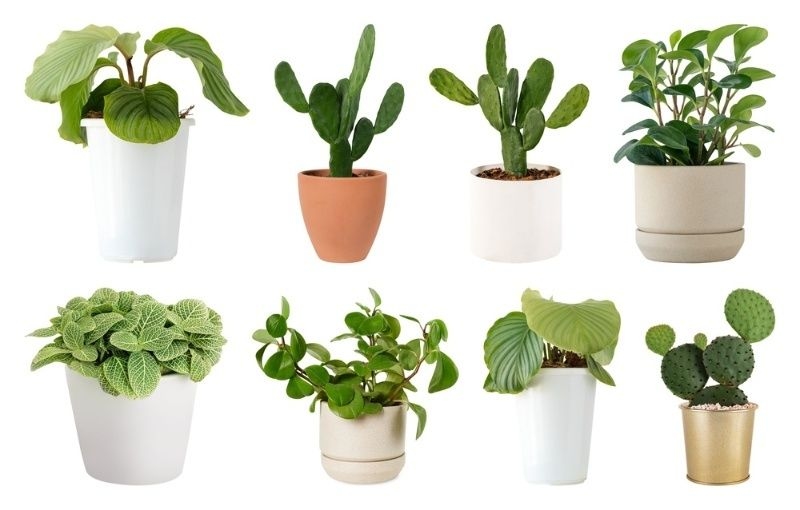
One of the best types of plants for your warm-weather outdoor garden is succulents. The reason these plants are so beloved by gardeners is the thick leaves, odd shapes, and tolerance to dry climates. Given proper care and attention to your garden's elements, outdoor succulent gardens can be beautiful year-round.
There are many types of succulents that do exceptionally well outdoors in direct sun. It's a good idea to mix sizes and colors for balance within your garden bed.
Among the many types of succulents, echeverias are perhaps the most popular type for many gardens because of their beautiful rosette structure. Echeverias can be green, pink, purple, or blue, and they aren't too large, making them great for borders, containers, or corners. Gardeners will find that echeverias are perfect to plant for outdoor succulents because of how well they tolerate full sun and minimal watering. Gravel and rocks pair wonderfully with echeverias to give them a desert look.
These succulents have dramatic, pointed leaves, and the best thing about the plant is the focal points it can create. They are definitely tough and are considered one of the hardiest succulents for a warm climate and require only very little water once they are established.
Sedum is a great ground cover succulent that can be planted in a garden bed to quickly fill spaces in the ground. They also flower beautifully in warmer months. For someone looking for the perfect outdoor succulent that will tolerate intense sun, they might choose sedum due to its ability to adapt to harsh weather conditions and poor soil quality, and it is often planted in areas with rocks and stepping stones.
This is both a beautiful and a useful plant; the leaves produce gel that soothes, and it can also grow easily outdoors in hot climates. Aloe vera is the perfect beginning succulent for beginners.
Check This Out: Monsoon Gardening Tips for a Lush and Thriving Rainy Season
The best type of succulent to plant in a garden bed is one that is able to tolerate dry conditions. This is because succulents can be damaged if they are in constantly damp environments; the best option is to plant your succulents in soil that drains well. The following are just a few of the types of succulents you could plant:
With thick green leaves and a woody appearance, jade plants grow well in outdoor garden beds and may even become a landscape feature over time. It's very colorful to pair with rosette succulents for a pop of color.
Sempervivum, or hen and chicks as they're sometimes called, create a natural mound that works perfectly to fill in a garden bed. They are extremely heat and drought resistant. While they are not the only types of succulents that would be a great choice for your garden, they do multiply quickly.
Many people think that if they have a succulent, they need to water it all the time, but that's just not the case! The best tip for beginner succulent gardeners is not to water them at all. The best outdoor succulents can tolerate a lot of sun, excellent drainage, and need occasional deep watering. Pay close attention to your succulent's leaves, and if you notice a change in texture, there may be something wrong.
Succulents are very fond of gritty or sandy soil, as this type allows water to drain thoroughly. They do not do well when there is constantly a lot of water. For container succulents, you need to make sure that there is drainage. You'll want to use clay or terracotta pots because the water will dry out more quickly in these types of containers.
Most outdoor succulents require a good six hours of sun per day. If it's suddenly extremely hot, you might find that it stresses some of your plants. Good beginner succulent care means getting your plants acclimatized to sunlight before exposing them directly to intense heat.
Knowing when to water succulents is crucial. For warm-weather gardens, it may be up to once every two weeks, depending on how hot the weather is and if there's been recent rain. It's important to soak your succulents whenever you water them, not just give them a little drink every day. You don't want them to store too much water; you want them to use as much as they need and drink only from what the soil has to offer.
Reducing watering will do a lot for them, especially when they have their winter rest periods. Overwatering is a common reason for problems in outdoor succulents.
It's incredibly easy to plant succulents in pots, and they make wonderful mobile displays on your patios, balconies, and decks. You should always get a container that has a drainage hole and then fill your pot with a succulent-specific soil mixture that will ensure proper drainage.
Tall succulents look great in the center of the pot, surrounded by smaller ones to create some visual interest. Small stones can be added around the top of the soil to dress up the appearance and also help keep excess moisture from accumulating.
There are many different ways to plant succulents to add an impressive aesthetic to your home. They look especially nice in rock gardens that are designed to look like deserts, where the plants thrive naturally. The garden also looks beautiful when filled with stones, driftwood, and gravel.
Another interesting choice is to plant succulents in a vertical arrangement and plant them on a wall or fence. A large number of plants, all of which come from similar families and have different colors and sizes, would create the best flower bed display you've ever seen.
A common mistake is watering too often, which could damage your succulents. Many think the answer for succulent care for beginners is constant watering, but if your plants do not require it, then you shouldn't be giving it to them.
Making sure there is drainage in your containers will ensure your plants do not end up with wet feet and a poor outlook on life. If you are putting certain types of succulents in the sun, it will cause your plants to burn, which may not happen if the plant needs that specific element.
Learn More: Rust Fungus on Plants: Causes, Signs, and Easy Fixes
Outdoor succulents are the perfect landscape for warmer, sunnier climates that combine a beautiful design with low-maintenance planting, perfect for beginners who don't want to constantly be taking care of their landscapes. It is important to ensure that you are picking plants that fit your region as well as your design.
When caring for outdoor succulents, it's crucial that they have excellent drainage and receive the necessary amount of sun and that you get rid of overwatering before it starts. Outdoor succulents are able to make your entire yard a relaxing and artistic getaway.
In general, most succulents tolerate extreme heat really well due to the water stored in their leaves. However, intense afternoon sun could stress some varieties. Giving outdoor succulents adequate drainage and deep watering can help them thrive in prolonged high temperatures.
The Sedum is typically noted as one of the fastest-growing outdoor succulents. It will spread rapidly throughout garden beds and rocky outcrops, so it is best for ground cover. Many Sedum species will also flower in sunny outdoor areas.
No, feeding outdoor succulents does not need to be a significant part of their care. Lightly feeding outdoor succulents once throughout their growing season is sufficient. Overfeeding outdoor succulents may result in weak, leggy plants that lose the compact structure desired in garden beds and containers.
Yellowing succulent leaves are often a result of too much water or poor drainage. Succulents prefer the soil around them to be fairly dry. If there is water sitting around the roots for too long, then issues may arise with the roots of the plant. The plants will often begin to improve over a period of time when given more efficient drainage and less watering.
This content was created by AI