

how these plants grow and what they need makes a real difference.
This guide covers peonies from the ground up. You will learn about peonies season, soil and compost for peonies, everyday peony care, and exactly when to cut back peonies without harming next year’s blooms.
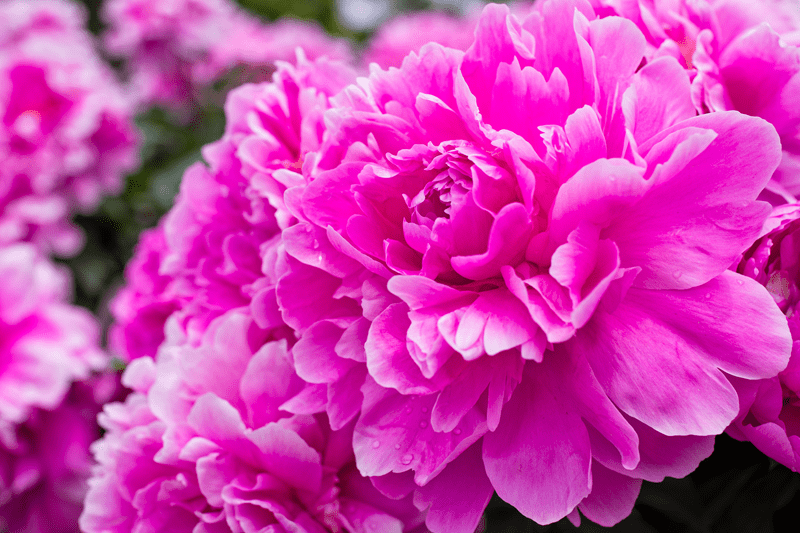
Peonies flowers are known for their large blooms, soft petals, and light fragrance. A single peony can fill a vase or anchor an entire garden bed. Unlike annuals, peonies come back every year and can live for decades when planted correctly.
There are three main types you will see most often:
Most home gardens grow herbaceous peonies because they are reliable and easy to manage.
Peonies season is short, which is part of their appeal. In most regions, peonies bloom between late spring and early summer. Depending on climate and variety, this usually means May through early June.
During peonies season, buds open quickly once temperatures rise. This is why peonies flowers often feel fleeting. One week they are tight buds, and the next they are fully open.
If you want a longer bloom window, plant early, mid, and late season peony varieties together. This simple planning step can stretch peonies season by a few extra weeks.
More to Discover: Brighten Shade: Top Shade Plants & Low-Light Flower Ideas
Peonies do best when planted once and left alone. They dislike being moved.
Choose a spot with:
Planting depth matters more than many people realize. A peony planted too deep will grow leaves but may never bloom.
Peony buds should sit about one to two inches below the soil surface. Any deeper can delay or prevent flowers.
Healthy soil is the foundation of strong peony care. Peonies prefer loose, fertile soil that drains well but still holds moisture.
Adding compost for peony beds improves both texture and nutrients. Use finished compost mixed into the planting hole or spread around the plant in early spring.
Good compost for peony plants helps with:
Avoid piling compost directly on top of the crown. Keep it slightly away from the base to prevent rot.
Peony care is simple once plants are established. These are not fussy flowers.
Here is what makes the biggest difference:
Too much nitrogen leads to leafy growth with fewer flowers. A light compost application usually provides enough nutrients.
After blooming, leave the foliage alone. Those leaves are feeding the roots for next year.

Pink peonies are the most recognizable. They are often associated with romance, celebrations, and classic gardens. Pink peonies also dominate wedding arrangements and spring bouquets.
White peonies offer a cleaner, more understated look. They work well in minimalist gardens and formal spaces. White peonies also pair easily with other flowers, which makes them popular for mixed borders.
Both pink peonies and white peonies need the same peony care and grow under the same conditions.
Explore More: Native Texas Plants: Your Guide to a Thriving Garden
A fresh peony bouquet does not need much styling. The blooms are already full and textured.
For longer vase life:
Change the water daily and trim the stems every few days. This helps peonies flowers last longer indoors.
Many florists cut peonies just before full bloom so they open slowly in the vase.
One of the most common questions is when to cut back peonies. The timing is important for plant health.
For herbaceous peonies, wait until fall. After the first frost, the foliage will yellow and collapse. This is the signal that the plant has stored enough energy in its roots.
When to cut back peonies properly:
Cutting back peonies too early can reduce next year’s blooms. Cutting them back too late does not usually cause harm, but removing dead foliage helps prevent disease.
Do not compost diseased leaves. Dispose of them separately.
Tree peonies are different. They should not be cut back the same way. Only remove dead wood or damaged branches in early spring.
If peonies fail to bloom, the cause is usually one of these:
Weak or floppy stems often mean the plant needs support or more sun.
Good airflow and fall cleanup reduce disease risk and support long term peony care.
Also check: Making Creative Plant Combinations for Show-Stopping Gardens
Peonies take patience. Some plants take two or three years to bloom well. Once established, they reward that patience with dependable flowers every spring.
Whether you grow them for your garden or cut them for a peony bouquet, peonies offer long term value with minimal effort.
Check out some of the frequently asked questions
Peonies season usually falls between late spring and early summer. Most peonies bloom from May through early June, depending on climate and variety.
The best compost for peony plants is well aged, organic compost. It improves soil structure and provides steady nutrients without forcing excessive leaf growth.
The best time for when to cut back peonies is in fall after the foliage has died back naturally. This allows the plant to store energy for the next growing season.
This content was created by AI