

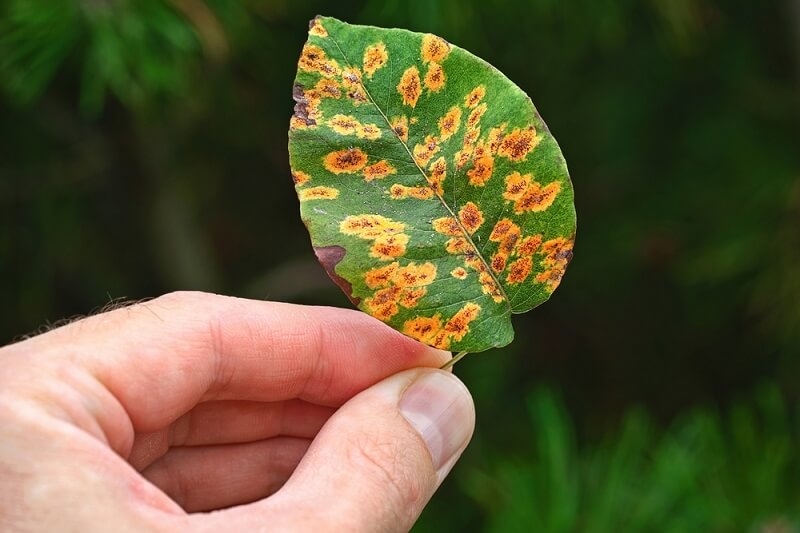
You notice a few orange spots on your plant’s leaves. Maybe it’s just dust or the plant getting older—doesn’t seem like much, right? But a couple of days later, the spots multiply, darken, and suddenly your once-thriving plant starts looking tired and patchy.
That’s rust fungus, creeping in quietly and then—boom—it takes over before you realize it.
The good news is, you can handle this. Once you know what you’re dealing with and take a few straightforward steps, you’ll stop it from spreading and bring your plants back to life. Let’s walk through what’s really going on and what you should do.
Rust fungus sounds like a disaster, but honestly, it’s pretty common in gardens. Once you understand how it operates, it’s way less intimidating.
Rust fungus covers a group of fungi that form powdery, rust-colored spots on leaves. Each type tends to go after certain plants. They don’t kill plants outright—at least not quickly. They slowly weaken your plant by messing with photosynthesis, and over time, that stress catches up.
Wondering why it even shows up? Blame a few key conditions:
Fungal spores are easy travelers—they catch rides on the wind or water. If the conditions are right, the infection can spread fast, almost like mold in a damp basement.
Spotting rust early can save your plant. It doesn’t creep up overnight, but if you know the signs, you get a head start.
You usually first notice pale or yellow spots on the leaves—looks harmless enough. But flip the leaf over, and you’ll probably see tiny orange or brown bumps. Those are clusters of spores, your real heads-up that rust fungus is moving in.
Leave those spots alone, and they’ll get worse:
At this point, your plant is stressed for sure—but don’t freak out. You can still turn things around.
Suggested Reading: How to Identify, Prevent & Treat Garden Rust Disease?
Understanding its spread is half the battle. Rust fungus isn’t picky—it’ll hop from plant to plant if the conditions let it.
Spores are sneaky and mobile. They spread through:
It’s like invisible dust swirling around your garden—land on a vulnerable plant, and things get dicey.
Stressed plants (maybe from junky soil, not enough water, or inconsistent care) don’t fight off fungus well. Plants packed tightly together also have trouble—less airflow means moisture sticks around, and fungi love that.
Now for the solution. It doesn’t take anything complicated, just consistency.
Go right for the infected leaves and snip them off. Don’t waste time. Leaving them lets the fungus spread. And toss those leaves in the trash—not the compost!
Sometimes, just spacing your plants or cutting away excess growth makes a difference. Air needs to flow between the leaves—that alone slows fungus down.
A lot of people water from above and soak the leaves. That’s exactly what rust fungus wants. Instead, water at the base. Early morning is best, so things dry quickly. Don’t overdo it with water.
If things look rough, fungicides help. Try neem oil, sulfur-based sprays, or copper fungicides. Just follow instructions—too much can harm your plants.
Don't Miss: Plant Fungus and Causes, Prevention, and Effective Treatment
Prevention beats cure every time. A few easy habits will keep rust fungus away.
Dry leaves and breathing room make it tough for spores to settle and take hold.
Just look over your plants every few days. Peek under leaves for spots. Catching problems early always makes treatment easier.
Dirty tools are the spore delivery trucks. Wipe them down after you use them, especially when you’re working with infected plants.
Some plant varieties naturally fend off fungal diseases better.
Choosing plants that resist rust fungus gives your garden a stronger chance right from the get-go. Not absolute protection, but a better shot.
Try rust-resistant roses, beans, veggies, or native plants suited to your area. They handle rough conditions better and don’t tempt fungi as much.
Also Read: Identify Warning Signs to Prevent Common Plant Diseases
Rust fungus can look scary—those orange spots pop up fast. But when you get what’s happening, you realize it’s manageable. Spot it early, tweak your care routine, and stick with it. Remove infected leaves, let air move, keep things dry—small changes add up.
Plants almost always bounce back if you act in time. So next time you spot rust fungus, don’t sweat it. Treat it early, keep consistent, and your garden snaps back stronger.
Rust fungus usually develops in warm, humid conditions where leaves stay wet for long periods. Poor airflow and overcrowded plants make the problem worse by trapping moisture around the foliage.
Start by removing infected leaves and improving airflow around the plant. Then adjust watering habits and, if needed, apply fungicides like neem oil or copper sprays to control the spread.
Rust fungus rarely kills plants directly, but it weakens them over time. If left untreated, it can reduce growth, cause leaf drop, and make plants more vulnerable to other diseases, pests, and environmental stress conditions.
Yes, it spreads easily through wind, water, and contact. Spores can move between plants quickly, especially in damp conditions, which is why early treatment and isolation are important.
This content was created by AI