

When the heat reaches the 40s, plants can transpire faster than their roots can replace the moisture. Knowing how to shade and water plants will keep your garden from wilting, scorched leaves, lack of blooms, and other heat stress symptoms.
Deep watering, mulch, temporary shade, and vigilant plant care are all tools that will carry plants through the heat while the high temperatures are ongoing.
The first step to follow to protect plants from heat stress is to keep the root zone (the earth in which the roots are) moist. Water it thoroughly with a generous amount of water to allow the water to slowly soak the soil and not sit on the surface. Here's how to protect plants from heat.
No schedule for watering. It depends on the type of soil, the size of the plants, the amount of sunlight, wind, and the presence of rain as well. Increase the frequency of watering if the plants are to be shielded from the scorching heat.
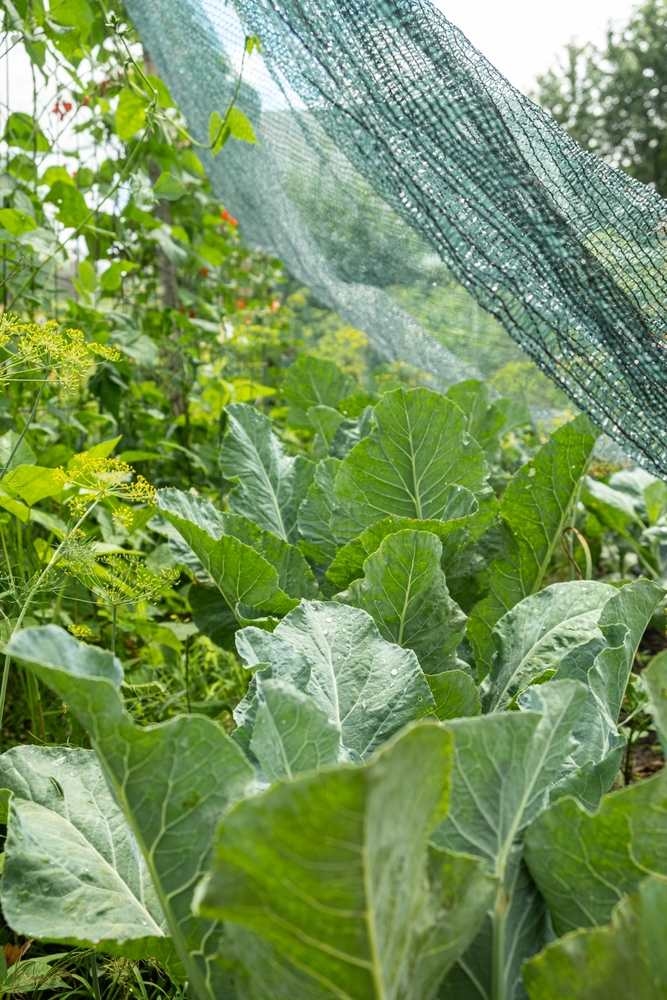
Resist the scorching sun. High-intensity sunshine in the late afternoon can also be shielded by shade netting. It is especially useful for crops and seedlings, which are more susceptible to this heat. Hang the netting over the top of the plants rather than on the plants themselves.
When using shade, a basic frame can be used to suspend material above the plants, allow good airflow, and keep the light from being too intense.
The purpose is not to get rid of sunlight for the whole day. You still want your plants to receive sunlight for good photosynthesis, so shape your shade according to the needs of the plant. Wrap plant protect from heat, and use it at times when sunlight and temperature will be at their highest.
Alternatively, try limiting the exposure of the hottest side of the planting area. If the hottest sunlight hits from the west in the afternoon, a little shade here will keep the afternoon sun from cooking plants, yet they will get some morning sun.
Containers require extra watering during the summer because of their small volume of soil that heats quickly and dehydrates even faster. If containers are made of dark materials, they can heat up significantly when exposed to full sun for several hours, and you will find how to protect plants from summer heat.
When possible, move containers to a sunny spot for morning sun and afternoon shade. You can cluster containers for easier watering, but allow room for good air circulation between pots. Always check the moisture below the surface before watering.
Freshly planted trees, shrubs, flowers, and vegetables are more delicate, as their roots haven't yet become established in the soil. They may have difficulty locating sufficient moisture during extended periods of heat.
Protect summer plants and cover new plantings of flowers or vegetables carefully. A moist root zone, a proper amount of mulch, and watching for ongoing wilt or leaf burn are still critical in summer months and for young plants more than for ones that have been established.
Stress: When the weather is hot, plants are already under enough stress. Don't add to the stress of your plants by doing a lot of pruning and transplanting or other stressful tasks when the weather is warmer.
Heavy fertilisation should also be avoided to protect plants from extreme heat unless it is necessary for the well-being of a specific plant. If leaves are damaged due to the intense heat, do not prune unless the conditions are more favourable; many plants can recover if the roots and the crown are healthy.
Learn what to do to prevent heat stress in plants before hot temperatures take hold. Know the forecast and ensure watering equipment, mulch, shade cloth, and other supplies are on hand well ahead of a heat wave.
Don't worry, it doesn't have to be complicated. Follow this simple four-step process – moisture testing, container check, deep watering, and signs of heat stress – and learn how to keep plants healthy and stress-free.
To "protect plants in summer", the key is that you are responding to the conditions that plants are actually growing in. Water deeply to encourage roots, mulch to retain moisture, and shade to limit the effects of the sun. Container plants and new plantings need special care.
If you learn how to keep plants from heat stress, you can also minimise the stress that they get from the heat. With regular soil monitoring, proper watering, proper mulch coverage, and some shade, plants are more likely to survive the harsher summer weather.
If your plant's roots and growing tips are not damaged, your plant should recover from heat stress. Maintain soil moisture, protect the plant from the extreme heat if possible, and don't prune the plant vigorously at this time. Wait for new growth to appear before removing dead foliage.
Not always. Water requirements vary depending on whether it is a clay or sand soil, whether your plant is small or large, and whether the container is large or small. Water when the root zone just begins to dry out, not necessarily every day.
A piece of ordinary fabric will give you some temporary protection, but it can also block airflow and be heavy when wet. Shade cloth tends to be easier to work with, as it is meant to let less light through but still let air pass through.
Brown edges and patches are often caused by heat, direct sunlight, dryness, or a combination of all three. Examine the soil and consider increasing protection from the harsh afternoon sun when needed. Also, do not fertilise a hot, stressed plant.
Most plants generally do not require a blanket of shade at night, as temperatures and sun are always cooler. If a containerised plant is situated in an extremely warm location that stays too hot during the night, it should be separated from any warm surface and afforded ventilation.
This content was created by AI