

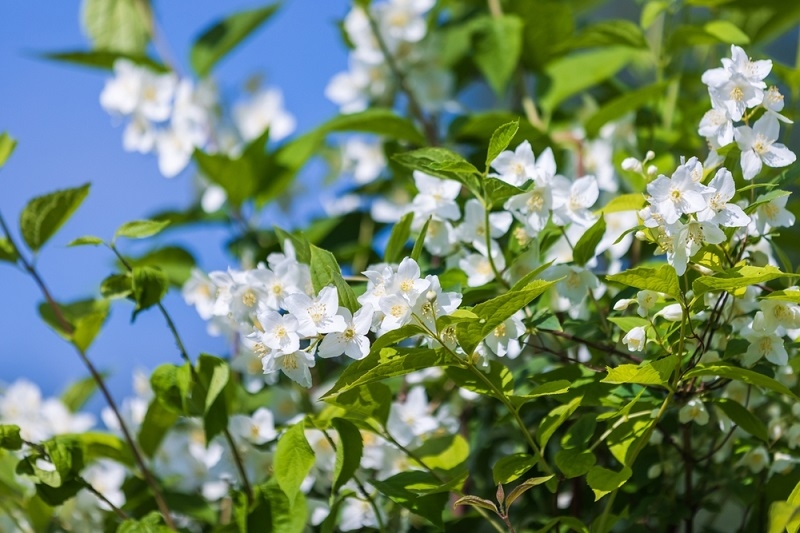
Being a gardener and plant lover, it is natural to excite oneself with the sweet, lingering scent of jasmine drifting through the air. As a plant lover, you are bound to love your plants. Whether your jasmine plant is climbing over a trellis or blooming in a balcony pot. Jasmine adds romance, elegance, and tranquility to any space.
In this guide, we’ll explore the different types of jasmine plants, popular jasmine varieties, and the types of jasmine flowers you can grow. We’ll also help you choose the best smelling jasmine plant outdoors and the best-smelling jasmine plant indoors. If you’re dreaming of a fragrant garden, you’re in the right place.
Jasmine flowers are highly fragrant, typically white or yellow, star-shaped blossoms produced by shrubs or vines in the Oleaceae family. Native to tropical Eurasia, Africa, and Oceania, these plants are cultivated for their intense aroma and used extensively in perfumes, teas, and religious ceremonies.
Jasmine flowers are often used for making perfume essential oils, extracted for high-end fragrances. Jasmine flowers are really good for making perfume and essential oils. People use them to make fragrances.
Jasmine flowers and plants are also used to make green tea and white tea taste good.
Jasmine is very important to people. They use it to make garlands and to give as offerings. They also use it in ceremonies, especially, in Asia.
Jasmine plants are used to help people feel better when they are sick like when they have liver problems or pain. Jasmine is also used to help make skin look better.
Before planting jasmine, you should know that there are different types. Not all jasmine plants are alike. Some jasmine plants climb, some are bushes, and others grow inside. Each jasmine type has its beauty and smell, so you choose one based on your weather and room. Here are some popular varieties:
Jasmine flowers come in colors and shapes. They also bloom at times of the year. This is really helpful to know if you want jasmine flowers to smell nice all year round.
In the summer, some jasmine flowers bloom a lot in the evening. They smell really strong, at night. Some other jasmine flowers bloom when it is cooler. Here are some kinds of jasmine flowers. These jasmine flowers can be various colors and shapes.
If you’re planting in a garden, patio, or backyard, choosing the best-smelling jasmine plant outdoor is key. Plant near windows or pathways so you can fully enjoy the fragrance. The top outdoor picks include:
Outdoor jasmine loves:
Not everyone has a garden, but that doesn’t mean you can’t enjoy jasmine indoors. With proper care, indoor jasmine fills your home with a soft, natural perfume.
The best-smelling jasmine plant indoor options are
Indoor jasmine care tips:
Read More: Houseplants That Thrive Indoors With Simple Natural Care
Plant jasmine in well-draining, nutrient-rich soil with full sun to partial shade, typically from late spring to fall. Dig a hole twice the width of the root ball, keeping the top of the root ball level with the ground. Provide sturdy trellis support for climbing types, space plants 8 feet apart, and water regularly to keep the soil moist but not waterlogged. Planting jasmine isn’t complicated, but attention to detail ensures healthy growth. But for climbing types, install a trellis or support early on. Regular pruning encourages bushier growth and more blooms.
Most jasmine varieties prefer warm, temperate to tropical climates. However, some species tolerate mild winters. If you live in colder regions, consider container planting so you can move the plant indoors during winter. Jasmine is a plant that naturally prefers:
The varieties of jasmine plants, which range from climbing vines to potted beauties, add charm and fragrance to any area. Selecting the appropriate type guarantees enjoyment all year long, whether indoors or out. Are you prepared to incorporate jasmine into your garden? Let the scent of nature fill your surroundings by starting to plant.
Jasminum sambac and Jasminum officinale are considered the most fragrant varieties, especially in warm climates.
Jasminum polyanthum is ideal indoors due to its manageable size and strong scent.
True jasmine species like Jasminum sambac provide the richest aroma, especially during evening blooms.
Jasmine can be both. They have a wide variety that thrive outdoors, while compact species adapt well to indoor pots.
Most jasmine plants prefer full sun to partial shade. At least 4–6 hours of sunlight encourages healthy blooms and stronger fragrance.
This content was created by AI