

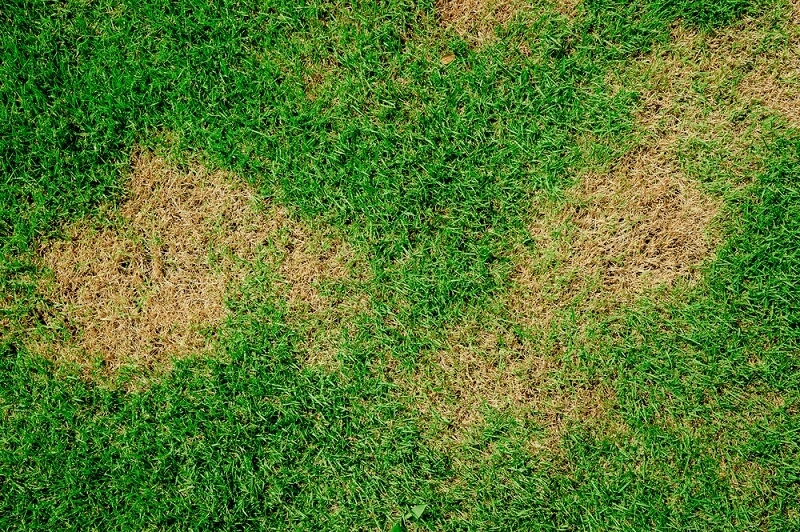
Brown patch fungus is one of those lawn problems that shows up fast and leaves homeowners confused about what went wrong. One week the grass looks fine. The next week, there are brown circles spreading across the yard. If you have dealt with this before, you know how stubborn brown patch lawn disease can be when conditions are right.
This article breaks it down clearly. You will understand what is brown patch, what causes brown patch, how to identify brown patch early, and how to treat brown patch without wasting time or money. The focus is on real lawn care practices that actually work.
What is brown patch is a common question, especially during summer. Brown patch is a fungal lawn disease caused by the soil-borne fungus Rhizoctonia solani. The fungus is already present in many lawns. Problems start when heat, moisture, and excess nitrogen combine.
Brown patch fungus attacks grass blades rather than roots. That is why the lawn often looks damaged on the surface but does not always die completely. However, repeated outbreaks weaken turf and thin the lawn over time.
Brown patch lawn disease is most active when nighttime temperatures stay above 68 degrees Fahrenheit and humidity is high. This is why it appears suddenly after warm, rainy periods.
Brown patch lawn disease can affect many grass varieties, but some are more vulnerable than others.
Cool-season grasses commonly affected:
Warm-season grasses at risk:
Tall fescue lawns are especially prone to brown patch fungus because the grass holds moisture longer, particularly in dense or shaded areas.
Suggested Read: Aphid Attack: Spot, Treat & Prevent Aphid Infestations
Knowing how to identify brown patch correctly helps avoid treating the wrong problem. Many lawn issues look similar at first glance.
In the early morning, affected areas may show a gray or white fuzzy growth on grass blades. This disappears as the lawn dries but is a strong sign of brown patch fungus.
Brown patch lawn disease spreads outward in rings and often appears in areas with poor air circulation, heavy shade, frequent watering, or compacted soil.
Understanding how to identify brown patch early gives you a better chance to stop it before it spreads.
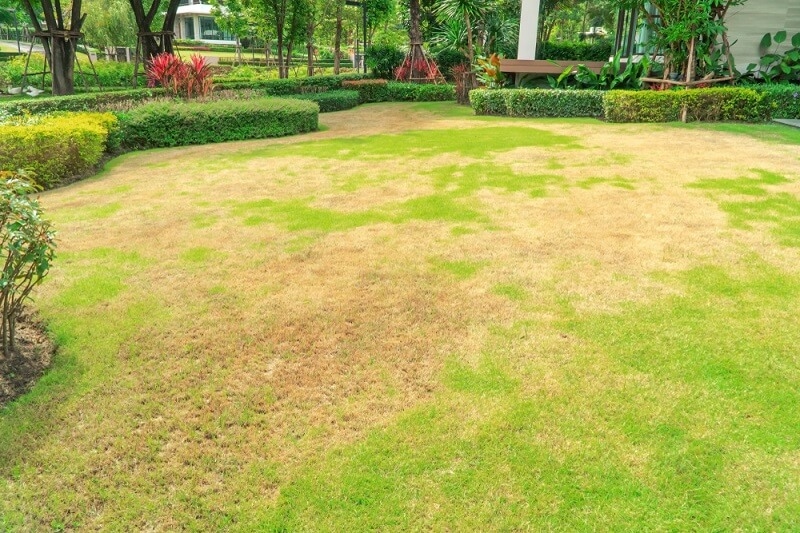
What causes brown patch is not a mystery once you look at lawn conditions. The fungus becomes active when several factors line up.
For example, watering in the evening keeps grass wet overnight. Combined with warm weather, this creates the perfect environment for brown patch lawn disease to develop.
Brown patch fungus is rarely caused by one mistake. It is usually the result of ongoing lawn care habits that allow moisture and heat to linger.
Also check: Root Rot and Causes, Symptoms & How to Save Your Plants
Treating brown patch fungus starts with fixing the lawn conditions that allow it to spread, followed by targeted treatment only when needed.
This is the most important step when learning how to treat brown patch.
Allowing grass blades to dry during the day slows fungal growth.
Better airflow helps lawns dry faster, which reduces the spread of brown patch fungus.
Excess nitrogen encourages fast growth that is more vulnerable to infection.
Fungicides are helpful when brown patch lawn disease is actively spreading.
Common active ingredients include:
Always follow label instructions and rotate products if applying more than once. Fungicides work best when combined with proper lawn care changes.
Some homeowners prefer non-chemical methods to manage brown patch fungus.
Natural control options include:
These methods work best as prevention rather than emergency treatment. Healthy soil supports stronger turf that resists disease naturally.
Brown patch lawn disease can spread quickly during warm, humid weather. Once conditions improve and treatment begins, active spread usually slows within one to two weeks.
Grass recovery takes longer. Thinned areas may need several weeks to fill in, especially if heat stress continues. Repeated infections without fixing underlying causes will delay recovery.
Prevention is the most reliable solution for brown patch fungus.
Key prevention steps:
A lawn that dries quickly and grows steadily is less likely to develop brown patch lawn disease again.
Discover More: A Guide to Prevent Garden Pests and Diseases for Beginners
Brown patch fungus is common, but it is manageable when you understand what causes brown patch and how to identify brown patch early. The key is correcting moisture and fertility issues first, then using fungicides only when needed. With consistent care, brown patch lawn disease can be controlled and prevented long term.
What is brown patch comes down to fungal activity triggered by moisture and heat. It keeps returning when watering habits, fertilization, and airflow are not corrected.
How to identify brown patch involves looking for circular patterns, dark rings, and water-soaked blades. Drought stress usually causes uniform browning and improves quickly after watering.
How to treat brown patch naturally includes adjusting watering, improving drainage, reducing nitrogen, and increasing airflow. These steps reduce fungal activity over time.
This content was created by AI